

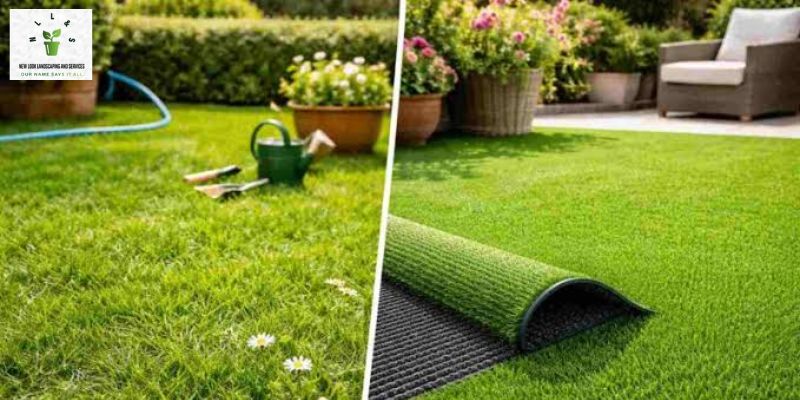
A lush, green lawn is one of the most valuable features of any residential property. Beyond enhancing curb appeal, Natural Grass creates a cooler outdoor environment, improves air quality, reduces dust, and provides a comfortable space for children, pets, and family gatherings. However, achieving a healthy lawn isn’t simply a matter of rolling out turf and watering it.
Many homeowners invest in natural grass installation services in Melbourne expecting immediate results, only to find patches of dead grass, uneven growth, drainage issues, or persistent weeds a few months later. In most cases, these problems aren’t caused by poor-quality turf—they’re the result of common installation mistakes that could have been prevented with proper planning and preparation.
Whether you’re planning a DIY project or hiring professionals, understanding these pitfalls can save time, money, and frustration. This guide explores the most common mistakes people make when installing natural grass, explains why they matter, and shares practical advice based on real landscaping experience.
Installing a lawn is much more than laying rolls of turf on bare soil. Every stage—from soil preparation to watering schedules—plays a significant role in determining whether your lawn thrives for years or struggles from the beginning.
Professional fresh turf laying for homes in Melbourne focuses on creating the ideal environment for roots to establish quickly. Healthy roots mean healthier grass, improved drought resistance, and reduced maintenance over time.
Melbourne’s climate can be unpredictable, with periods of heavy rainfall followed by hot, dry conditions. That makes proper installation even more critical because grass must establish strong roots before facing environmental stress.
A beautiful lawn starts underground.
The visible green surface is only as healthy as the soil beneath it. Professional landscapers often spend more time preparing the site than actually laying the turf because they understand that soil health determines long-term success.
Good preparation includes:
Skipping these steps often results in expensive repairs later.
One of the biggest mistakes homeowners make during natural turf installation is assuming existing soil is ready for new grass.
In reality, many residential properties have compacted soil, leftover building materials, clay-heavy ground, or nutrient deficiencies.
Poor soil leads to:
Experienced professionals carrying out new lawn installation and preparation in Melbourne usually begin with soil testing and improvement before any turf arrives.
If your soil feels rock-hard after rain or watering, it likely requires cultivation and conditioning before installing turf.
Not all grass varieties perform equally across Melbourne’s diverse climate conditions.
Factors to consider include:
Installing the wrong variety often results in thinning grass, excessive watering requirements, or poor recovery after heavy use.
A lawn that receives six to eight hours of sunlight daily may perform exceptionally with one variety, while shaded gardens require entirely different solutions.
Choosing grass should always be based on site conditions—not appearance alone.
Drainage problems are among the most expensive landscaping issues to correct after installation.
Signs of inadequate drainage include:
Professional real lawn installation experts in Melbourne assess drainage before laying turf by checking soil composition, property slope, and water movement patterns.
Sometimes a slight adjustment in grading makes a dramatic difference.
Ignoring drainage almost always shortens lawn lifespan.
An uneven lawn creates more than visual imperfections.
It also causes:
Proper levelling should occur before turf installation—not afterward.
Professionals typically use screeding equipment to create a smooth, consistent surface while maintaining a gentle slope for drainage.
Many weeds survive underneath freshly laid turf.
Over time, aggressive weeds grow through the new lawn, competing for:
Completely removing weeds before installation significantly reduces future maintenance.
Some stubborn weeds require multiple treatments before the site is suitable for new turf.
Healthy soil contains:
Unfortunately, many new housing developments leave behind poor-quality subsoil after construction.
Adding compost and quality topsoil creates a much stronger foundation for successful new lawn installation and preparation in Melbourne.
Think of soil improvement as an investment that pays dividends for years.
Freshly installed turf requires a different watering schedule than an established lawn.
Common mistakes include:
This encourages shallow roots, fungal diseases, and poor oxygen availability.
Grass dries before roots establish, causing irreversible damage.
The goal is consistently moist—not waterlogged—soil during establishment.
After roots begin anchoring into the ground, watering frequency gradually decreases while watering depth increases.
Although turf can often be installed throughout much of the year, extreme weather increases the difficulty of successful establishment.
Very hot periods require intensive watering.
Heavy rain can delay installation and damage prepared soil.
Many landscaping professionals recommend planning installations during moderate weather conditions whenever possible.
This gives grass the best opportunity to establish healthy root systems.
Many homeowners walk on freshly installed lawns too soon.
New turf requires time for roots to knit into the underlying soil.
Heavy foot traffic immediately after installation can:
Successful sod installation for backyards in Melbourne usually includes limiting lawn use during the early establishment period.
Waiting a few extra weeks often results in much healthier long-term growth.
Air pockets beneath turf prevent roots from contacting the soil.
Without proper contact:
Professional installers use lawn rollers after laying turf to improve soil contact while maintaining a level surface.
Installation is only the beginning.
Healthy lawns require:
Many homeowners assume once the turf is installed, the work is complete.
In reality, the first three months often determine the lawn’s long-term health.
There is a noticeable difference between simply laying turf and creating a lawn designed to thrive for years.
Experienced landscapers understand:
This practical knowledge reduces costly mistakes while improving long-term lawn performance.
Professional natural grass installation services in Melbourne focus on creating lasting results rather than simply completing the installation.
Based on years of practical landscaping experience, these simple habits consistently produce healthier lawns:
These practices significantly improve the lifespan and appearance of any Natural Grass lawn.
Many homeowners unknowingly believe myths that can lead to poor results.
Excessive watering weakens root systems and encourages disease.
Different grass types perform differently depending on climate, shade, and usage.
While immediate over-fertilising should be avoided, proper nutrient management supports healthy establishment.
Minor settling occurs, but significant levelling issues rarely correct themselves.
Mistakes involving drainage, poor soil preparation, or incorrect turf selection often cost far more than professional installation.
A thriving lawn begins long before the first roll of turf is laid. Successful Natural Grass installation depends on careful preparation, choosing the right turf variety, improving soil health, ensuring proper drainage, and following correct watering and maintenance practices.
Avoiding the common mistakes discussed above can dramatically improve the appearance, durability, and longevity of your lawn while reducing future maintenance costs.
At New Look Landscaping & Service, practical landscaping experience has shown that careful planning always delivers better results than rushing the installation process. Whether you’re considering natural grass installation services in Melbourne, planning fresh turf laying for homes in Melbourne, or looking for real lawn installation experts in Melbourne, understanding these fundamentals will help you enjoy a greener, healthier lawn for years to come.
Most new lawns begin rooting within two to three weeks under favourable conditions. Complete establishment generally takes six to twelve weeks, depending on the grass variety, weather, soil quality, and maintenance. During this period, consistent watering and avoiding heavy foot traffic are essential for strong root development.
Proper preparation includes removing weeds, clearing debris, loosening compacted soil, improving drainage, adding quality topsoil or organic matter where needed, and levelling the surface. These steps create ideal conditions for roots to establish quickly and help prevent problems such as uneven growth, waterlogging, or patchy turf.
Freshly installed turf should be watered often enough to keep the soil consistently moist during the initial establishment period. Once roots begin anchoring into the soil, watering should gradually become less frequent but deeper, encouraging stronger root systems and improving drought tolerance.
DIY installation is possible for smaller, straightforward areas if you have the necessary time and preparation knowledge. However, larger or more complex projects often benefit from professional expertise, especially where drainage, soil improvement, grading, or turf selection require careful planning. Proper installation reduces the likelihood of costly repairs later.
A healthy lawn requires regular mowing at the correct height, seasonal fertilising, deep but infrequent watering, prompt weed control, occasional aeration, and monitoring for pests or diseases. Adjusting your maintenance routine to Melbourne’s changing seasons also helps keep the grass resilient and looking its best year-round.
New Look Landscaping and Service precisely love to work among greens and make the surrounding special with artistic features. We are specialised in design concepts, constructions and management for multiple outdoor spaces around Victoria.